Clay soil is common across many Western Sydney backyards, and while it can hold plenty of water and nutrients, it can also create problems in the yard when it becomes too dense, compacted, or slow to drain. For homeowners trying to grow a healthy lawn, establish garden beds, or plant trees, heavy clay can make the work harder than expected. It often shows up as boggy ground after rain, hard soil in dry weather, or plants that struggle to settle in. The good news is that clay soil can usually be improved with the right approach.
In this article, we’ll look at what makes clay soil difficult and the practical ways to improve it.
What Makes Clay Soil Difficult?
Clay soil behaves differently from sandy or loamy soil because the particles are much smaller and pack tightly together. As a result, water moves through it slowly, which can leave parts of the yard boggy after rain or watering. Clay soil also compacts easily, especially after construction, foot traffic, or being worked when wet.
Once clay becomes compacted, there is less space in the soil for water, air, worms, and roots to move through properly. This can make it harder for lawns to thicken, for garden plants and trees to push roots into the ground, and for the soil to dry out evenly. It also makes the soil harder to work with overall, as clay tends to feel sticky when wet and very hard when dry.
How to Improve Clay Soil
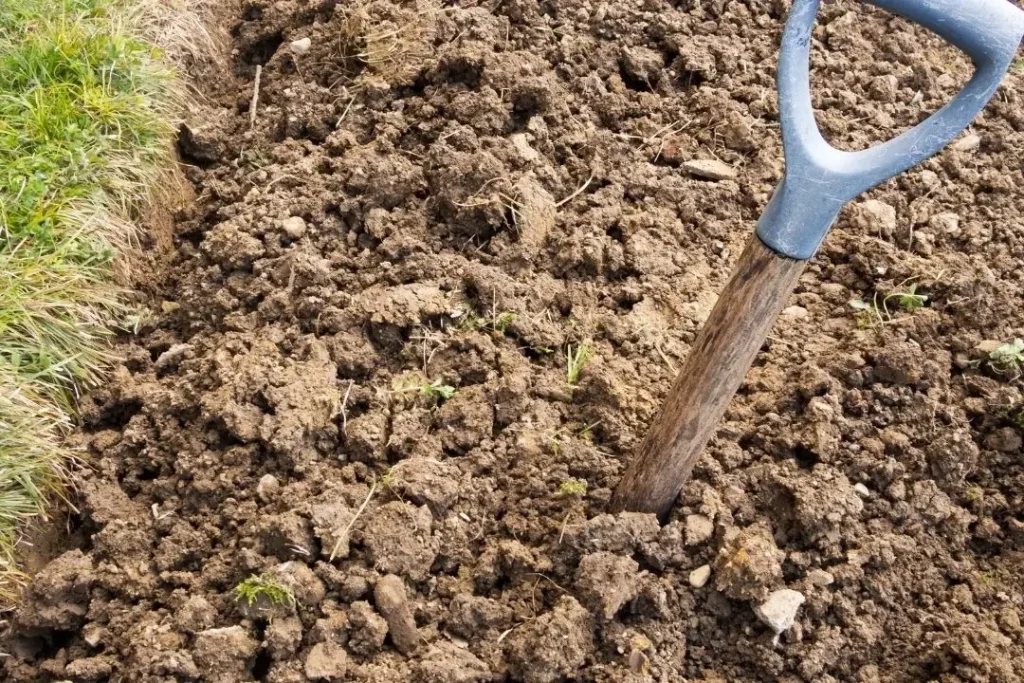
Improving clay soil usually works best when the focus is on gradually improving its structure rather than trying to fix everything all at once. Here are a few practical steps that can help loosen the soil and create better conditions for the plants:
1. Add Organic Matter
Organic materials such as compost, aged manure, and mulch may help improve clay soil structure over time. As these materials break down, they create a more open soil that allows water and air to move through easily.
2. Apply Gypsum
Gypsum is commonly used as a clay breaker in heavy soils. It can help clay particles clump into larger aggregates, improving the movement of air and water through the ground. On its own, though, gypsum is usually not enough and works best alongside other soil improvement methods.
3. Aerate the Soil
Aeration helps open compacted soil so water, air, and nutrients can move through it more easily. This can be useful in lawn areas or other parts of the yard that have become dense from foot traffic or construction. For smaller spaces, a garden fork may be enough, while larger areas may need mechanical aeration.
4. Improve Drainage
Some clay soil problems become worse because water keeps collecting in the same part of the yard. In those cases, it may help to reshape low spots or improve how surface water moves across the yard. Depending on the layout, this might involve installing drainage solutions such as French drains or spoon drains.
Why Improving Clay Soil is Important
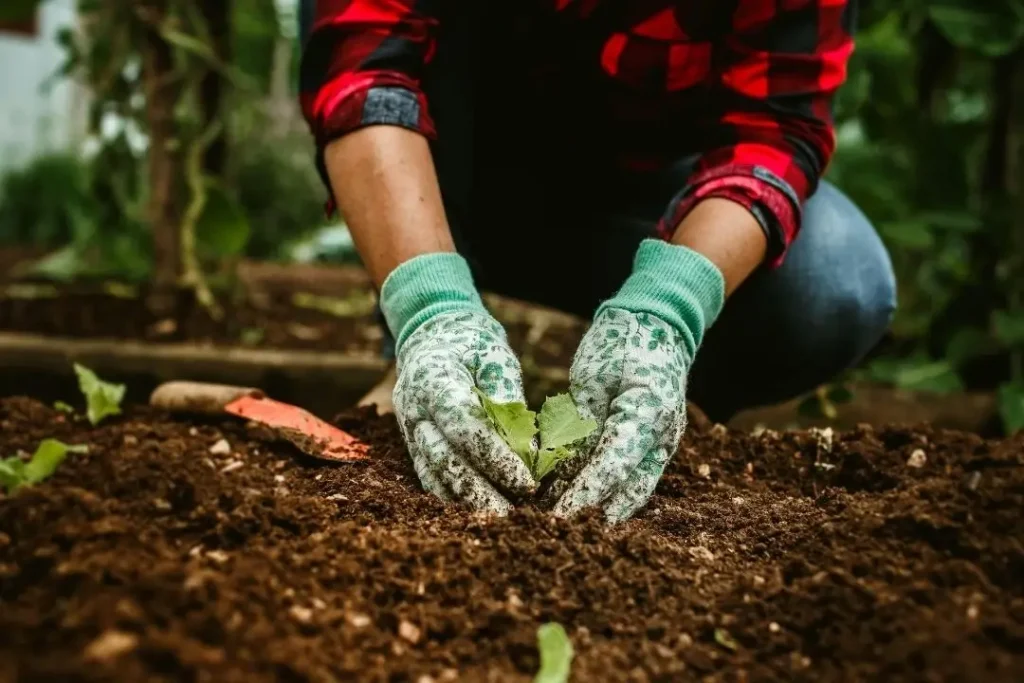
Improving clay soil helps create better conditions in the yard. When the soil is less compacted and drains more evenly, it becomes easier to manage and more reliable for planting.
For lawns, better soil can support even more growth and reduce the risk of patchy or waterlogged areas. It also makes growing plants in clay soil more manageable, especially in garden beds where roots need a balance of moisture and air. For trees, better soil structure gives roots more space to spread into the ground instead of pushing through dense, poorly drained soil.
Better soil structure can also help reduce boggy patches and surface runoff after rain. When water moves through the ground more evenly, the yard tends to dry out faster and becomes easier to use. Over time, healthier soil makes watering, planting, and general garden maintenance easier to stay on top of.
Common Mistakes to Avoid When Improving Clay Soil
When improving clay soil, some common mistakes can slow progress or make the problem worse. Here’s what to avoid:
- Relying on gypsum alone. Gypsum helps improve the structure of clay soils, but it doesn’t replace the need for organic matter and other soil improvement steps. Without adding compost or improving drainage, the soil may still stay dense and slow to drain.
- Working the soil when it’s wet. Digging, walking on, or heavily working clay soil when it’s wet can make compaction worse. Once the soil dries out again, it becomes even harder and more difficult to break up.
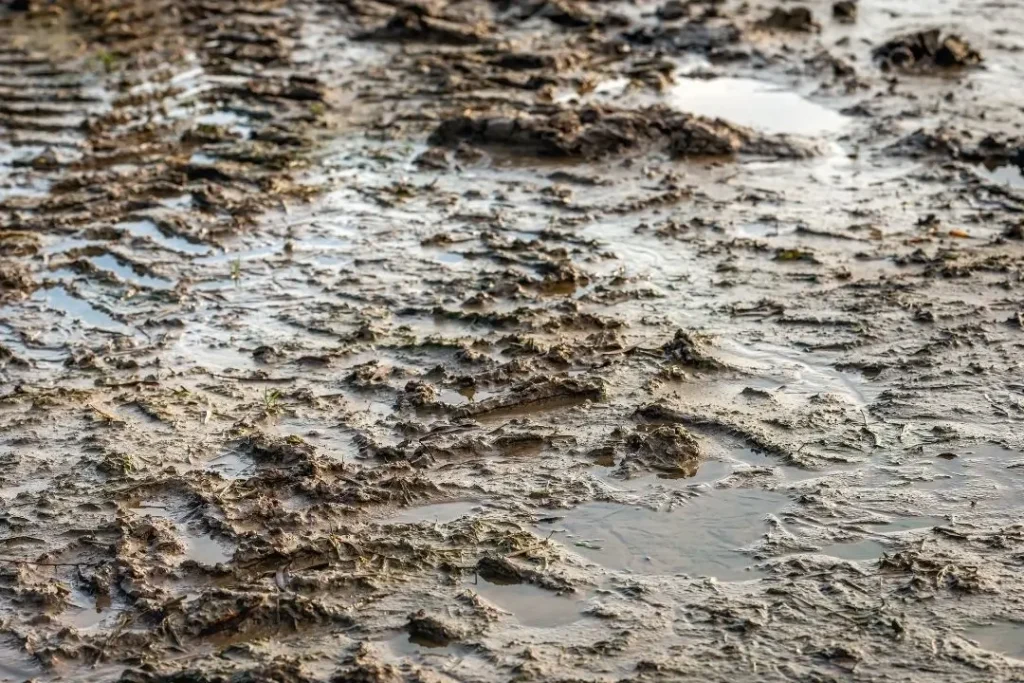
- Ignoring drainage problems. Improving the soil will only go so far if water keeps collecting in the same part of the yard. If excess water has nowhere to go, lawns and plants can still struggle even after the soil has been treated.
- Expecting a quick fix. Clay soil improvement usually happens gradually as organic matter builds up and the soil structure changes over time. It often takes ongoing care over months rather than one treatment to see a noticeable difference.
- Overworking the soil. Repeated heavy digging or unnecessary disturbance can damage soil structure instead of improving it. In many cases, a lighter and more consistent approach works better over time.
When to Get Professional Help
Some clay soil problems can be improved with basic soil preparation, but others may point to larger drainage or compaction issues. If water continues to sit for days, some areas stay patchy despite treatment, or planting keeps failing in the same parts of the yard, a more detailed assessment may be needed. Professional advice from an experienced landscaper can help you to identify what’s causing the problem and what kind of work is likely to improve it.
Better Soil Starts With the Right Preparation
Clay soil can be difficult to work with, but it can be improved with the right steps. Adding organic matter, applying gypsum, aerating compacted areas, and improving drainage can all help improve how the soil behaves over time. With better soil, it becomes easier to grow a thicker lawn, plant out garden beds, and give trees a better start.
If you’re planning a new yard and need help improving heavy soil before planting, turfing, or drainage work, our team can help. We provide solutions for homeowners looking forlandscaping near Marsden Park, Schofields, or anywhere in Western Sydney, dealing with clay-heavy soils. Contact us on (02) 8609 3360 and let’s get your soil ready for better landscaping results.