A retaining wall can be a key part of making a sloping yard usable. Many properties across Western Sydney have changes in ground level, especially in suburbs like Blacktown, Baulkham Hills, Kellyville, and The Ponds, where stepped yards and split-level blocks often need retaining to manage slopes. Timber and concrete sleepers are two of the most common options for residential retaining walls, but they differ in how long they last, how much maintenance they need, how they look, and what they cost over time.
In this post, we’ll compare both timber and concrete sleeper retaining walls and look at where each one tends to work best.
What is a Timber Sleeper Retaining Wall?
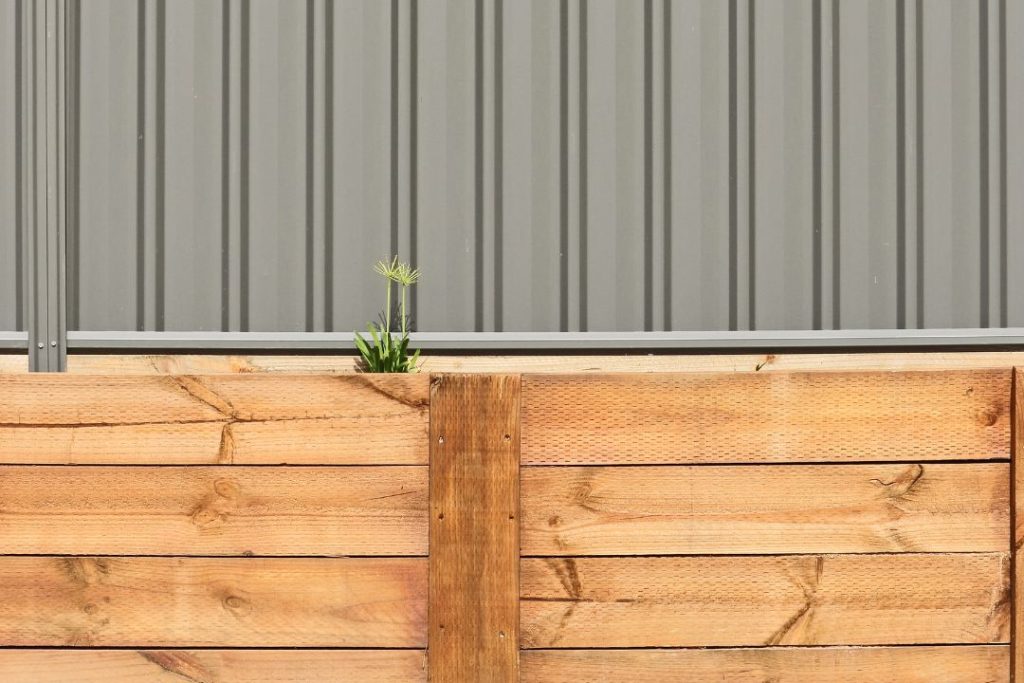
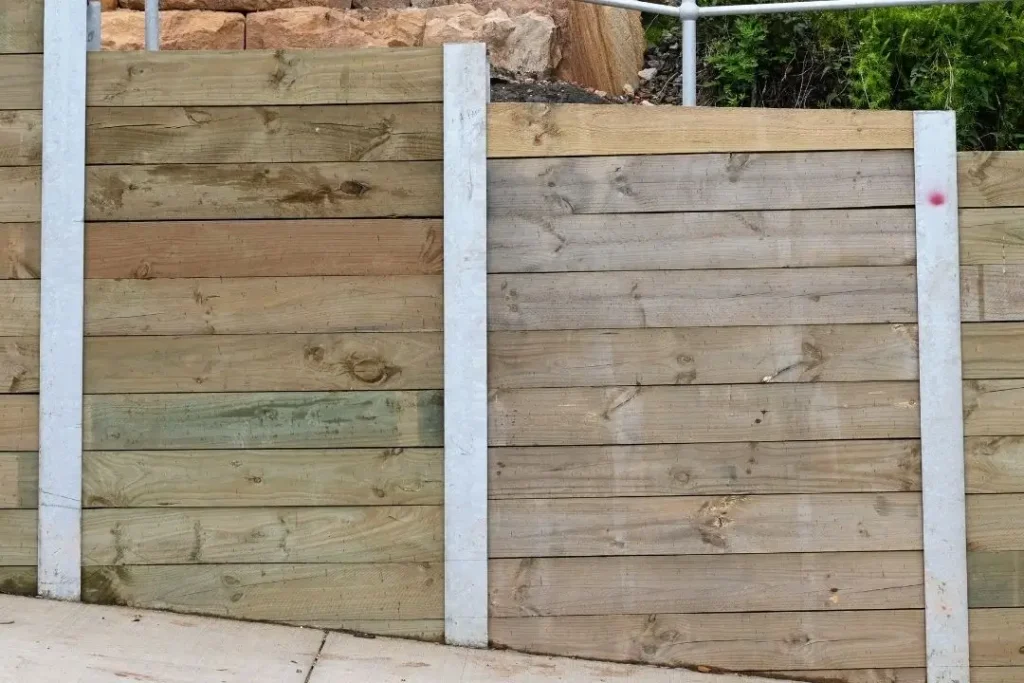
A timber sleeper retaining wall is built using timber posts and horizontal boards or sleepers to hold back soil where the ground changes level. It’s a common option in residential landscaping, especially for garden beds, smaller retaining jobs, and yards where a more natural look suits the space. Timber retaining walls are suited to lower walls and lighter-duty applications, with their lifespan and performance depending on drainage, installation quality, and how much moisture the wall is exposed to over time.
What is a Concrete Sleeper Retaining Wall?
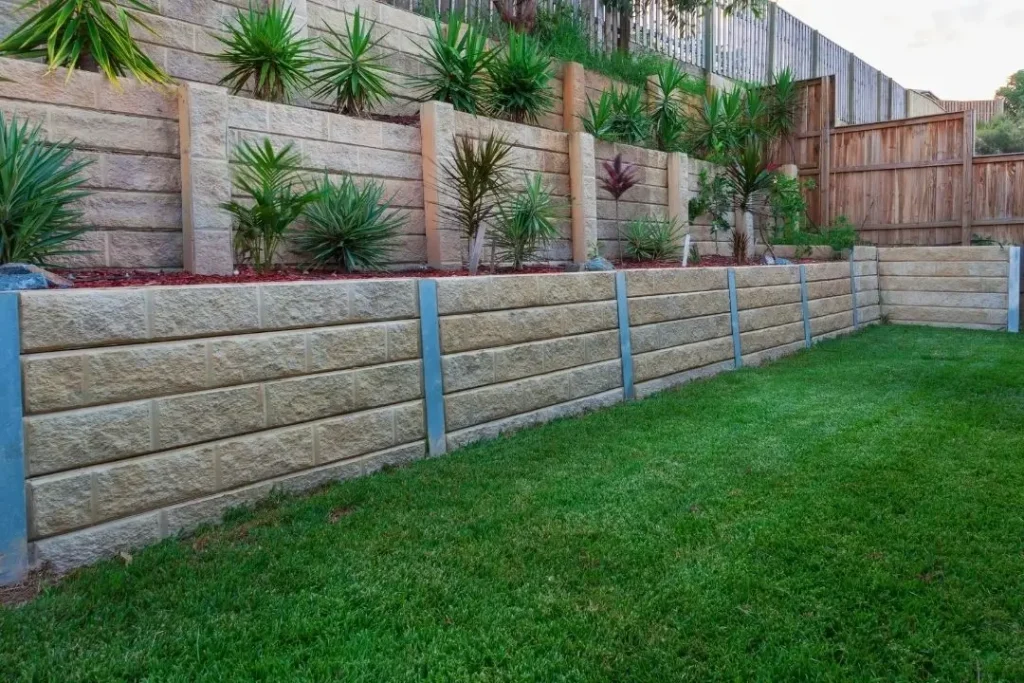
Concrete sleeper retaining walls use precast concrete panels fitted between upright steel posts. They are widely used in residential landscaping because they’re strong, durable, and suited to retaining larger amounts of soil. Many homeowners choose concrete sleepers when they want a retaining wall that lasts longer and requires less maintenance.
How Timber and Concrete Sleeper Retaining Walls Compare
Lifespan: Which One Lasts Longer?
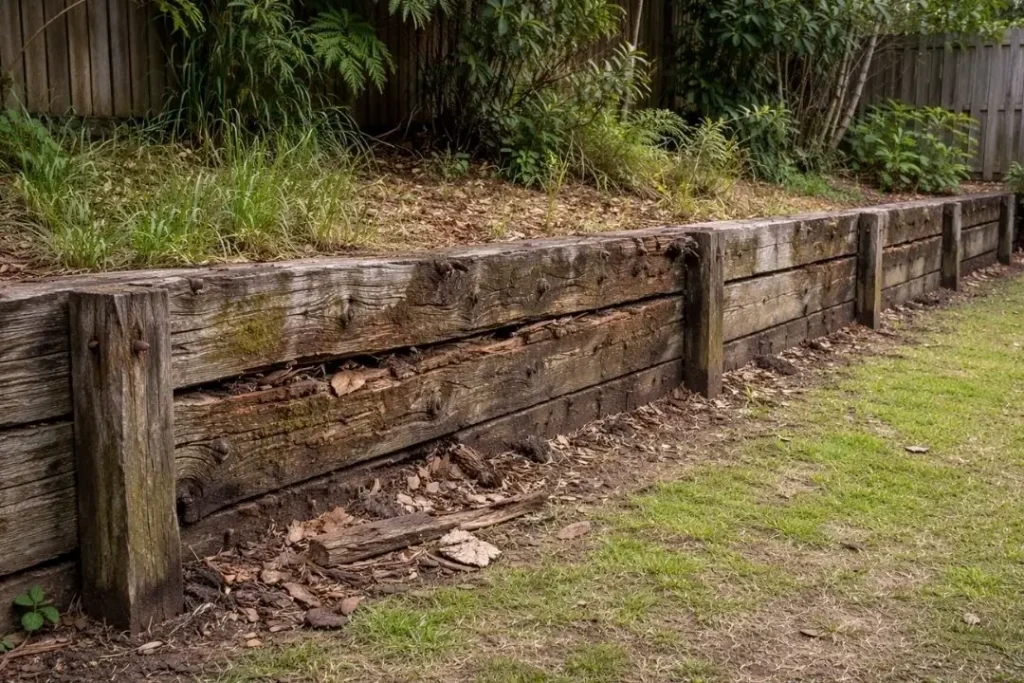
Timber retaining walls generally have a shorter lifespan. How long they last depends on the type of timber used, the level of treatment, and drainage behind the wall. As years pass, the material can start to break down and problems like rot, termite damage, and weathering can gradually affect the wall. Because of this, timber is better suited to smaller or less demanding retaining jobs.
Concrete sleeper retaining walls last longer since they’re not prone to rot or termite damage, and they hold up better over time with less deterioration. This makes concrete sleepers a more durable option, since they usually last longer even when exposed to the moisture, weather, and ground conditions that can affect timber over time.
Maintenance: Which One Needs More Upkeep?
With timber sleepers, it’s important to watch out for rot, termite activity, bowing, or sections starting to weaken over time. Because the material gradually deteriorates, repairs or partial replacements may be needed at some point, especially in older walls.
Concrete sleepers are generally easier to maintain. The main things to keep an eye out for are drainage behind the wall, any movement in the structure, and occasional cracking. Overall, they tend to need less attention once installed properly.
Appearance: Which Style Suits Your Yard?
Timber sleepers usually suit gardens with a softer or more natural look. For this reason, they are a common choice for landscaping in Kellyville and other Western Sydney suburbs where homeowners often prefer materials that highlight natural landscaping designs and feel more in keeping with established outdoor areas. As they age, the colour and surface can change, which can give the wall a more weathered and unique character.
If you want a cleaner and more uniform appearance, concrete sleepers are the better option. They are available in a range of colours and textures, including styles that mimic timber or stone. This makes them easier to match with modern homes and more structured landscape designs.
Strength and Structural Performance: Which One Handles More Pressure?
For small retaining jobs, timber retaining walls can do the job well. It’s often used for lower walls or areas where the amount of soil being held back is more manageable. Once the wall gets taller or the load behind it becomes heavier, timber is usually not the strongest option.
Concrete sleepers are better suited to more demanding work. They’re commonly used where there’s more soil pressure, a bigger change in ground level, or a need for a stronger and more stable wall. The added strength is useful when the wall is supporting a cut section of the block or helping create a flatter, more usable outdoor area.
Cost: What Are You Paying For?
Timber sleeper retaining walls cost less upfront, which is why they’re often chosen for smaller projects or tighter budgets. For simple garden retaining walls or lower walls, timber is the practical way to get the job done without the higher initial cost. The trade-off is that maintenance and repairs may add to the cost later on.
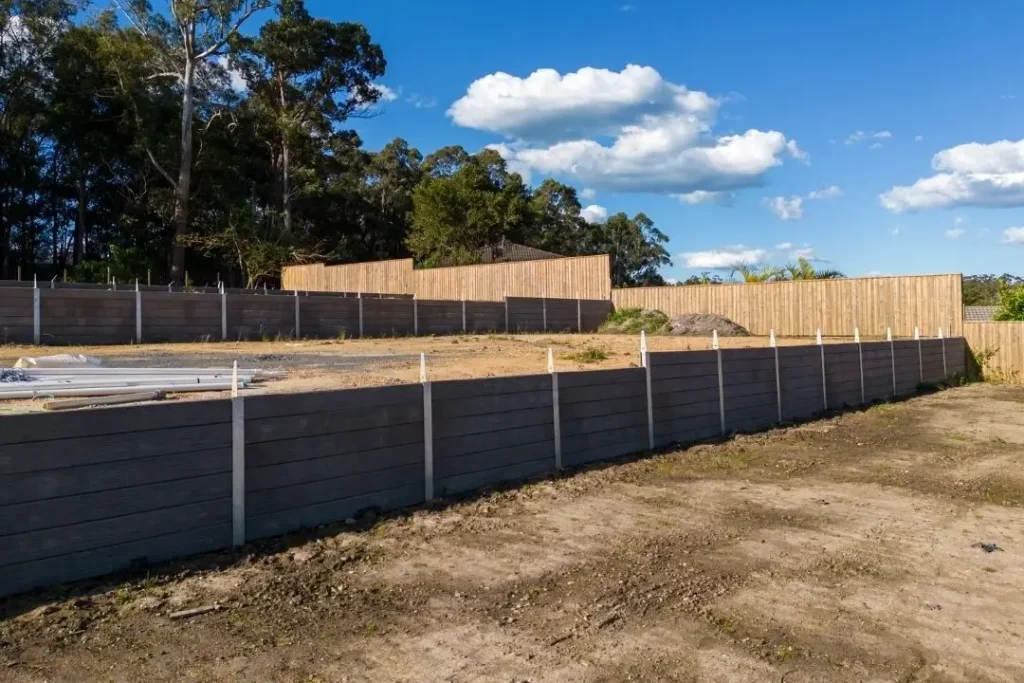
Concrete sleeper retaining walls usually cost more at the start. Even so, the longer lifespan and lower upkeep can make them better value over time. For more permanent retaining work, the higher upfront cost can be worthwhile in the long run.
Best Use Cases for Each Retaining Wall
When comparing retaining walls Sydney homeowners commonly use, the better material often comes down to what the wall needs to do and what matters most for the property:
Timber sleeper retaining walls are often better suited to:
- Small garden retaining walls
- Lower walls with lighter loads behind them
- Projects where a more natural look suits the yard
- Homes with a tighter upfront budget
- Landscaping jobs where the wall isn’t dealing with heavier structural demands
Concrete sleeper retaining walls are often better suited to:
- Retaining walls designed for longer-term use
- Walls that need to handle more soil pressure
- Taller retaining walls or larger level changes
- Modern landscaping styles with a cleaner finish
- Homeowners wanting a lower-maintenance solution
Which Retaining Wall Is Better For Your Property?
Choosing between timber and concrete sleepers comes down to what matters most for your yard, your budget, and how you want the retaining wall to perform over time. Timber can be a good fit where a lower upfront cost and a more natural look are the main priorities, especially for smaller or less demanding landscaping work. Concrete sleepers are a better choice for projects where strength, longer lifespan, and lower maintenance matter more.
If you’re planning a retaining wall for your property, getting professional advice can help you choose a solution that suits the slope, layout, and long-term needs of your yard.
Call us on (02) 8609 3360 so we can talk you through your options and assess your property to help you choose the right retaining wall for your needs. If you’re considering another style or type of retaining wall, you can also read our comprehensive post on everything you need to know about retaining walls to help you decide.