Backyard privacy is something many homeowners in Western Sydney start thinking about once they’ve settled into their property. While modern homes often have outdoor spaces, it’s also common for houses to sit fairly close together, especially in newer-growth areas like Marsden Park, Schofields, and Box Hill, where lot sizes can be smaller. It can make the backyard feel more exposed, especially when neighbouring homes, outdoor areas, or upper-storey windows look directly into the yard.
In backyards like these, a few smart changes can make a big difference to how private the space feels. Here are some of the most practical ways to create more privacy in your backyard.
1. Boundary Fencing
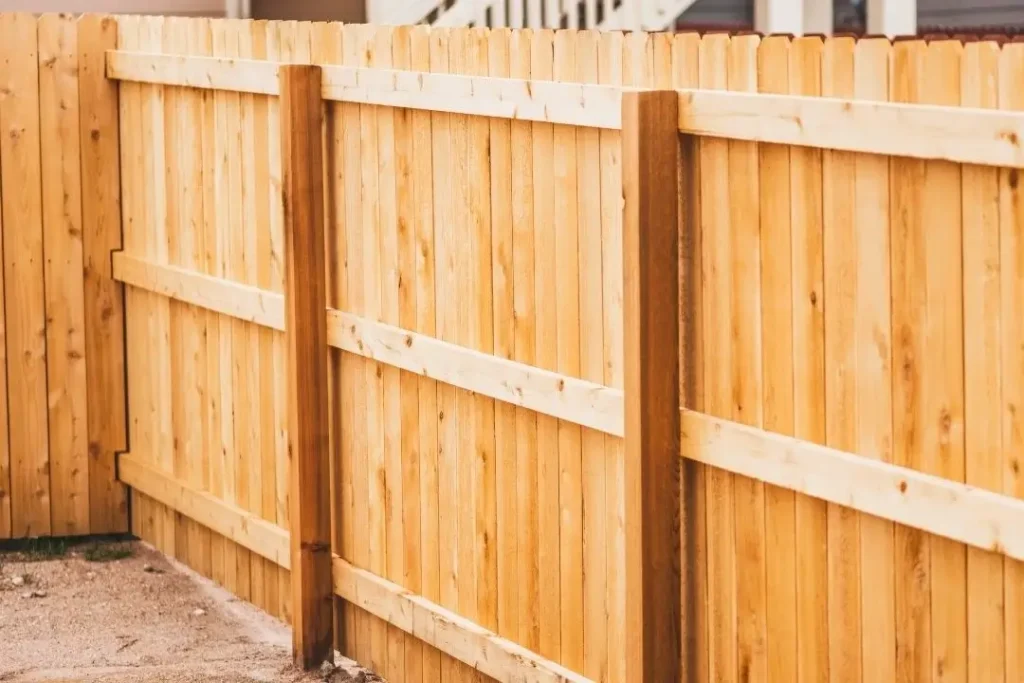
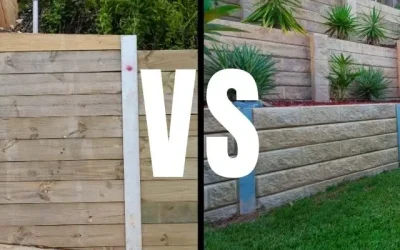
A solid boundary fence gives the backyard a clearer sense of separation from neighbouring properties. Common options include timber fencing, Colorbond fencing, and slat-style fencing. The right choice usually depends on how much screening is needed and the overall look of the home.
However, you have to make sure the fence follows NSW fence height requirements. Side and rear boundary fences are allowed up to 1.8m, while fences along the front boundary or facing a road are subject to lower limits.
2. Fence Extensions or Toppers
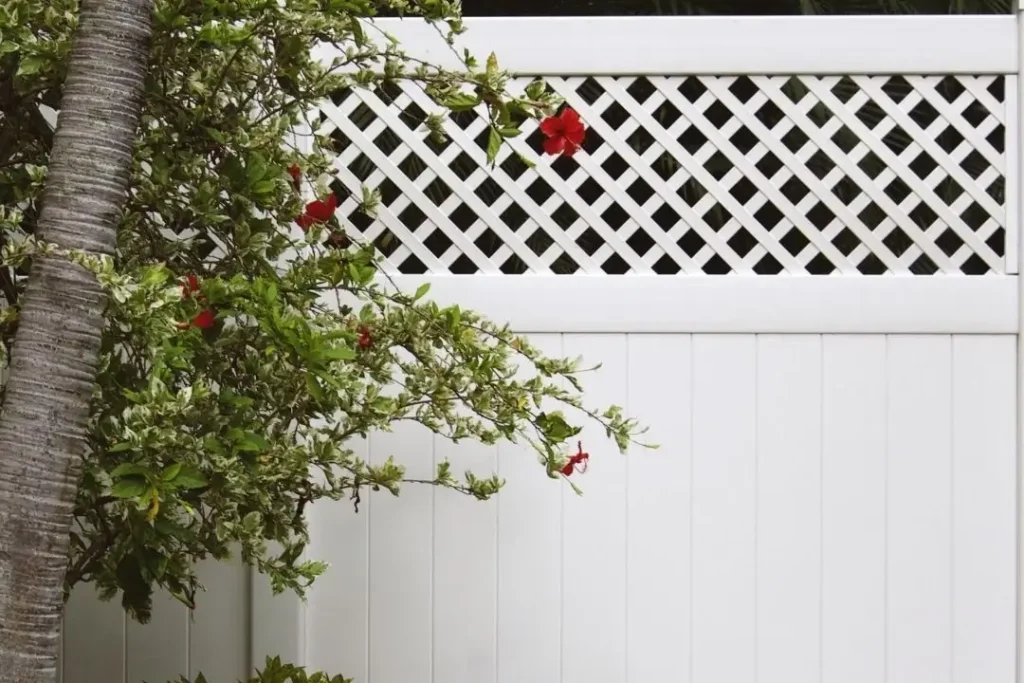
Sometimes the fence itself is in good condition, but it’s not high enough to give the backyard much privacy. Adding an extension or topper can block direct sightlines from neighbouring yards without needing to replace the entire fence. This can work well where a neighbouring yard sits slightly higher or where outdoor areas are positioned close to the boundary.
Slatted topper, lattice panels, and more solid screening options can be used depending on how much coverage is needed. Before adding extra height, check if the change still complies with local fence rules.
3. Privacy Screens
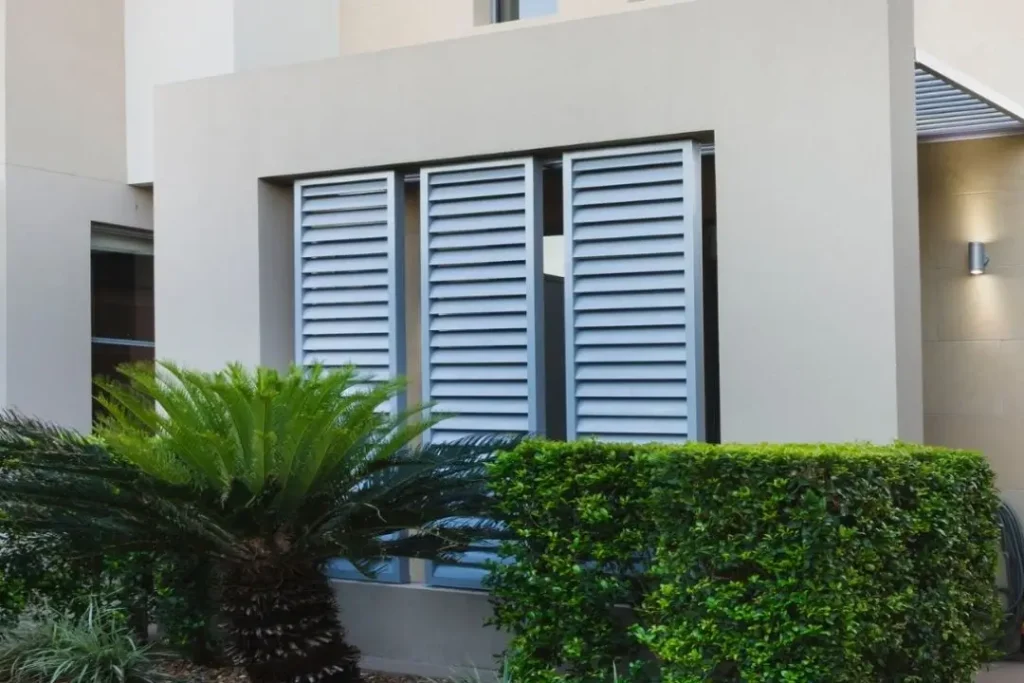
Privacy screens are useful when the goal is to block views in a specific part of the yard rather than along the entire boundary. They’re commonly used around patios, decks, seating areas, or side boundaries where privacy is needed the most. Options include slatted screens, decorative panels, and fixed screening sections, with each style offering a different balance of visibility, airflow, and visual design.
4. Hedges
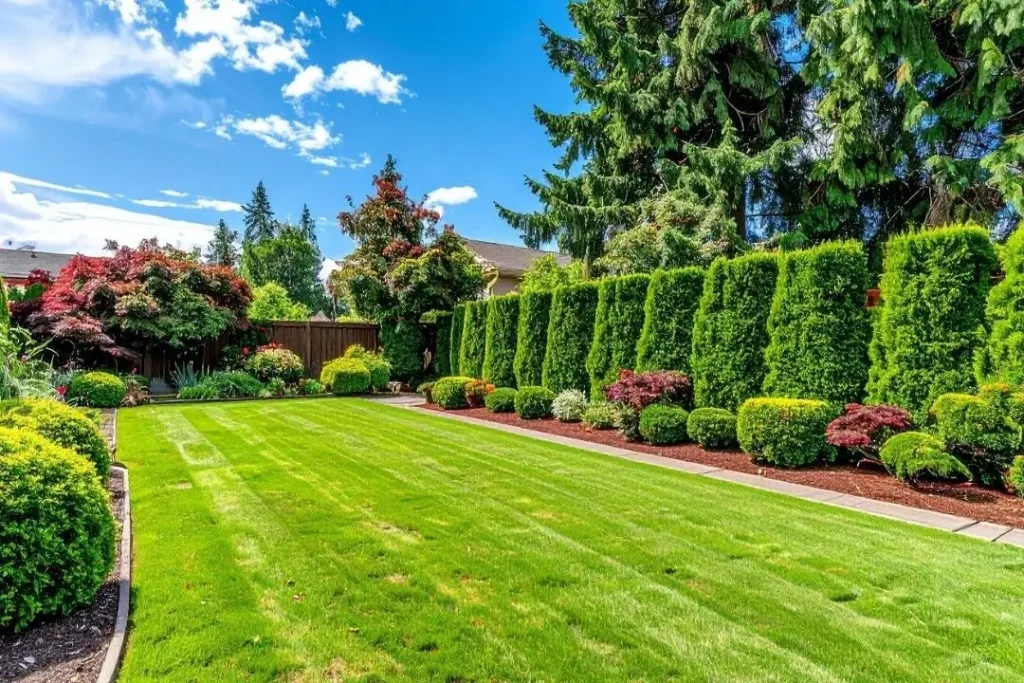
Hedges are a popular privacy option for homeowners who want more screening without adding another hard surface to the yard. They can soften the look of fences and gradually create a thicker visual barrier as the plants grow and fill out. Common choices include Lilly Pilly, Viburnum, and clumping bamboo in the right setting, all of which are widely used in residential gardens for privacy planting.
5. Screening Trees for Higher Overlooking
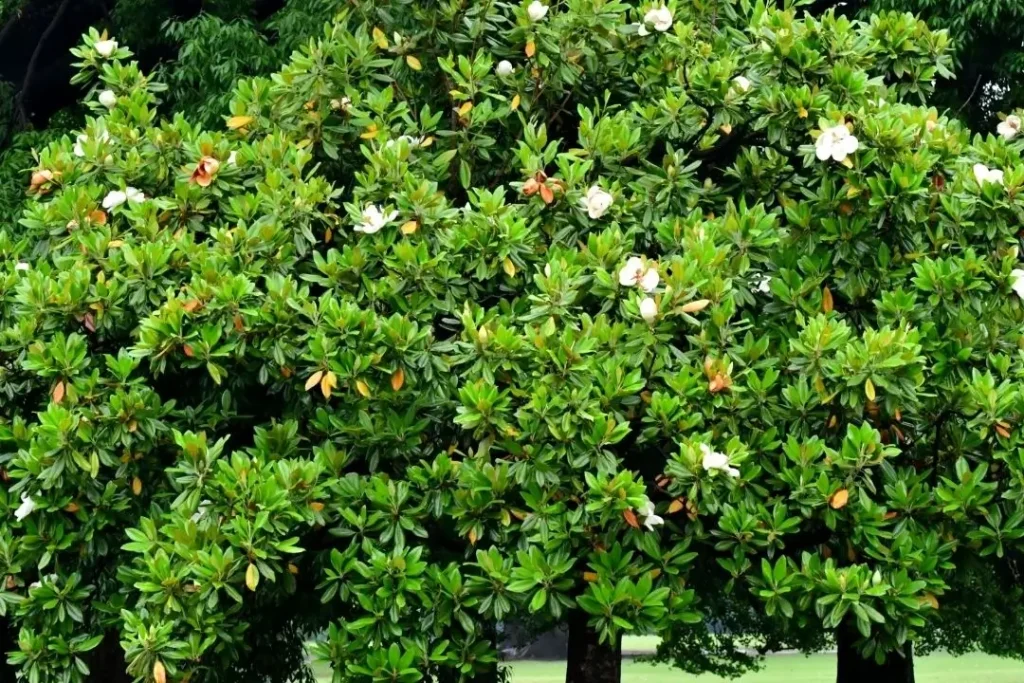
Standard fencing and low hedges don’t always solve privacy issues when neighbouring homes overlook the yard from above. This can happen with two-storey houses, raised patios, or properties built on slightly higher ground. In these situations, taller screening trees such as magnolia “Little Gem”, Waterhousea, taller Lilly Pilly varieties, or clumping bamboo can interrupt those sightlines while still keeping the garden looking open and green.
This can be especially useful in suburbs like Quakers Hill, where a mix of established family homes, double-storey houses, and neighbouring outdoor areas can make higher overlooking more noticeable, and it is one reason Quakers Hill landscapers often include taller planting in privacy-focused designs.
6. Pergolas With Added Screening
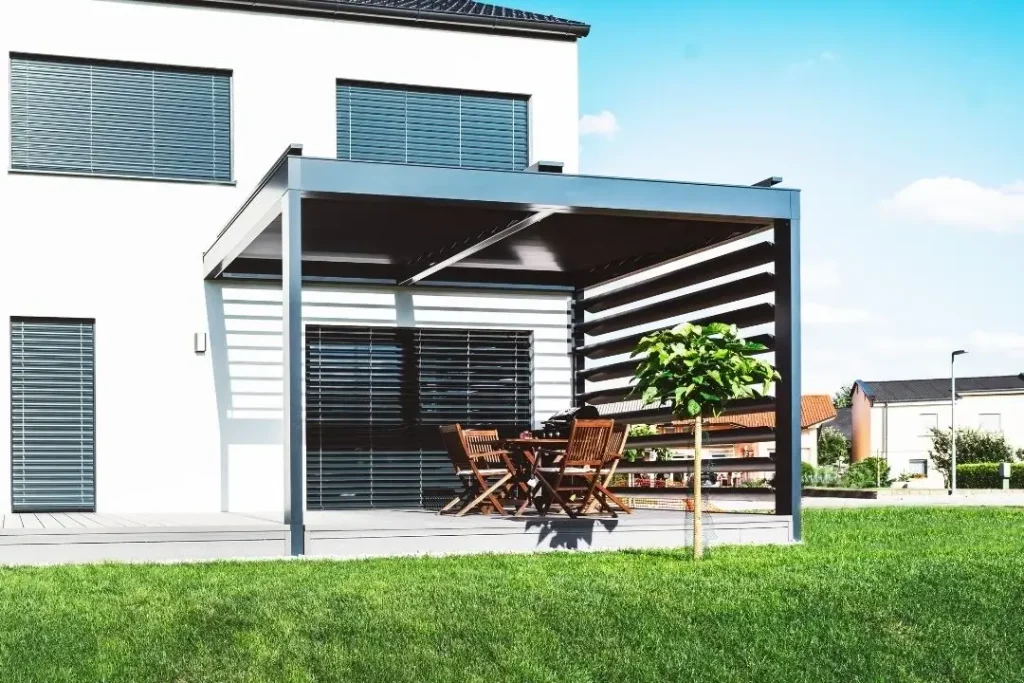
Pergolas create a more private area without fully closing it off. Screens, battens, outdoor curtains, or climbing plants can be added to the sides to reduce visibility and make the space feel more sheltered. This can work especially well over patios, decks, and entertaining areas that are exposed to neighbours or afternoon sun. Pergolas can also be worth considering as part of landscaping for new homes, where houses are often built closer together and backyard privacy can be more limited.
7. Vertical Gardens
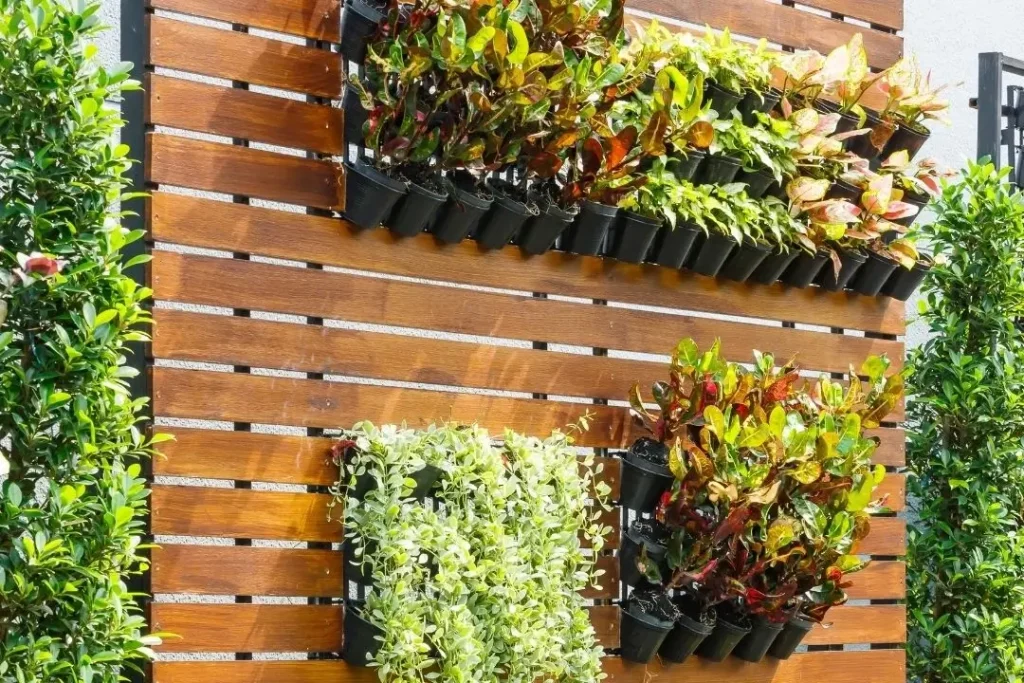
Vertical gardens can be useful in backyards where space is limited but some additional screening is needed. They can be installed along fences, walls, or freestanding frames, and allow plants to grow upward instead of taking up more ground space. This approach can add greenery and texture while also helping to soften views into the yard.
8. Backyard Zoning or Layout Changes
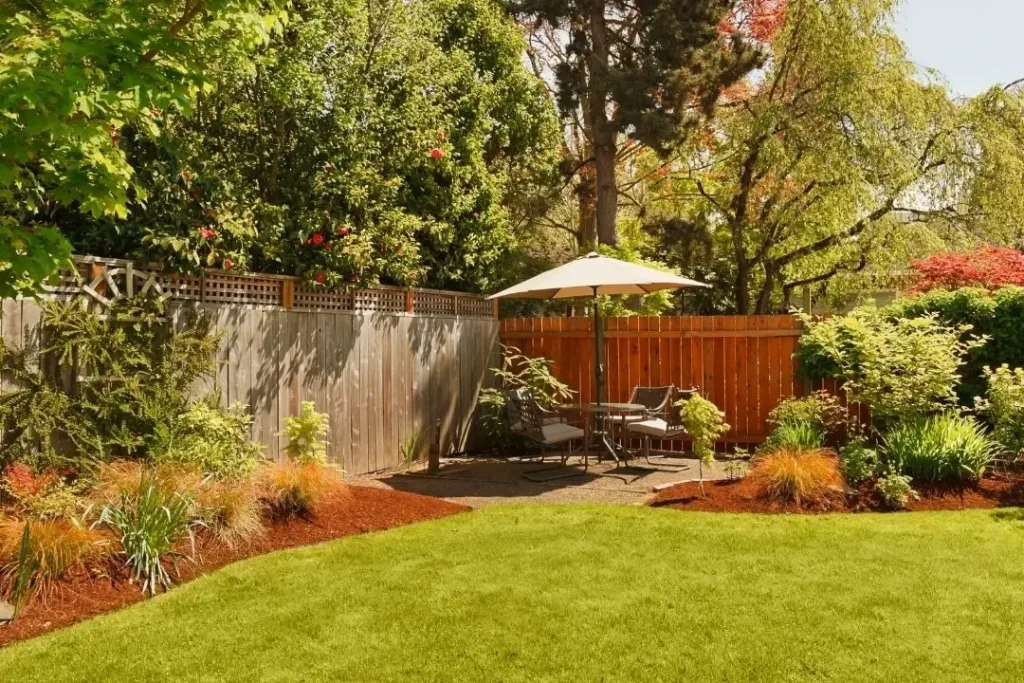
Privacy isn’t always about building taller barriers around the yard. Sometimes, the bigger issue is where the main outdoor areas are placed and which parts of the property are most exposed to neighbours. A seating area, patio, or dining space that faces directly toward nearby windows can feel far less private than one positioned behind planting or set further into the yard.
Changing the layout can help certain parts of the backyard feel more sheltered without needing to screen off everything. This might involve moving an entertaining area, using garden beds to separate spaces, or creating a more tucked-away corner for sitting and relaxing. On smaller blocks, this kind of zoning can make the yard feel more private and usable while still keeping it open and functional.
Choosing the Right Privacy Solution For Your Backyard
Creating backyard privacy doesn’t always require one major change. In many cases, a combination of fencing, planting, screening, and thoughtful layout choices can help make the yard less visible to neighbours and create a more secluded feel. The right approach often depends on the shape of the yard, nearby homes, and how the space is used.
If you’re looking for reliable landscaping Rouse Hill locals trust, or just want expert help creating a more private backyard anywhere in Western Sydney, call us on (02) 8609 3360!